What Happens During Biohazard Cleanup?

Facing a biohazard contamination can be overwhelming, but understanding the process of biohazard cleanup can help alleviate some of the stress. What happens during biohazard cleanup? To help you understand the process more, let’s break down the essential steps involved in biohazard cleanup.

Assessment and Planning:

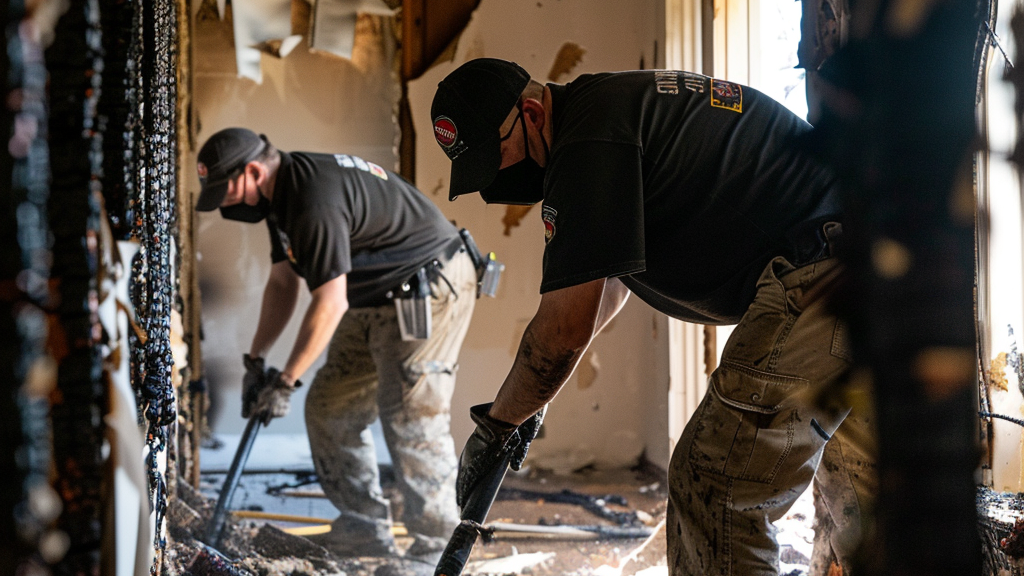
The first step in biohazard cleanup is a thorough assessment of the affected area. Trained professionals evaluate the extent of contamination, identify safety hazards, and develop a comprehensive cleanup plan. This initial phase is crucial for determining the appropriate course of action and ensuring the safety of everyone involved.

Containment and Isolation:

Once the assessment is complete, the next step is to establish containment measures to prevent the spread of contamination. This often involves sealing off the affected area with barriers and implementing strict protocols to minimize exposure to biohazard materials. By isolating the contaminated area, cleanup crews can work safely and effectively while protecting unaffected areas of the property.

Cleanup and Decontamination:

With containment measures in place, cleanup crews begin the process of removing biohazard materials and thoroughly cleaning and disinfecting surfaces. Specialized equipment and cleaning agents are used to eliminate harmful pathogens and restore the area to a safe condition. This phase may involve the removal of contaminated materials, such as furniture, carpeting, or drywall, followed by meticulous cleaning and sanitization of surfaces.

Disposal of Biohazard Waste:

Proper disposal of biohazard waste is a critical aspect of the cleanup process. Biohazard materials, including blood, bodily fluids, and other potentially infectious substances, must be handled and disposed of according to strict regulations and guidelines. Cleanup crews carefully package and transport biohazard waste to licensed facilities for safe disposal, ensuring compliance with environmental regulations and minimizing the risk of contamination.

Verification and Testing:

Once cleanup is complete, verification testing is conducted to ensure that the area meets safety standards and is free of biohazard materials. This may involve surface testing, air quality monitoring, and other assessments to confirm that the area is safe for occupancy. Verification testing provides peace of mind that the cleanup efforts have been successful and that the property is now safe and habitable.

Restoration and Reconstruction:

In some cases, biohazard cleanup may require additional restoration work to repair or replace damaged materials and restore the property to its pre-contamination condition. This may include repairs to structural damage, replacement of flooring or drywall, and other necessary renovations. By partnering with experienced restoration professionals, property owners can ensure that their space is fully restored and ready for use once again.

Biohazard cleanup is a complex and meticulous process that requires careful planning, specialized equipment, and expertise. By understanding the steps involved in biohazard cleanup, property owners can better navigate the challenges associated with contamination events and ensure a safe and thorough cleanup process. If you’re facing a biohazard contamination, don’t hesitate to reach out to experienced professionals who can provide prompt and effective cleanup services.
ADDITIONAL TIPS AND RESOURCES:

How Long Does Biohazard Cleanup Take?

When faced with a biohazard situation, time is of the essence. But how long does biohazard cleanup take? To help you better understand this question, let’s break down the factors that influence the duration of biohazard cleanup and provide insights into the typical timeframe for completion.

What is biohazard removal and cleanup?

Biohazard cleanup involves the removal, cleaning, and disinfection of materials contaminated with biological substances such as blood, bodily fluids, pathogens, and hazardous chemicals. It’s a meticulous process that requires specialized training, equipment, and adherence to safety protocols to ensure effective decontamination.

What impacts how long biohazard removal takes?

  1. Size and Scope of the Contamination: The extent of the biohazard contamination, including the affected area’s size and severity, significantly impacts cleanup time.
  2. Type of Biohazard: Different types of biohazards may require varying levels of cleaning and disinfection, affecting the overall cleanup timeline.
  3. Level of Contamination: The degree of contamination and the presence of hazardous materials can prolong the cleanup process.
  4. Access and Accessibility: Ease of access to the affected area and any obstacles that impede cleanup efforts can affect the time required to complete the job.
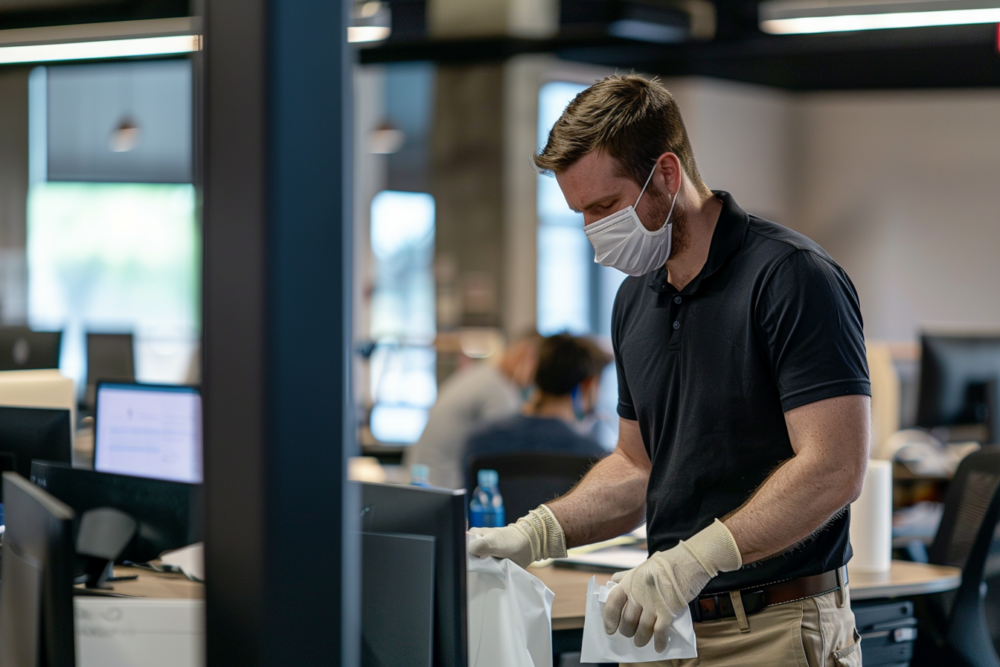
  5. Safety Precautions: Strict adherence to safety protocols, including the use of personal protective equipment (PPE) and containment measures, may extend the cleanup duration but are crucial for ensuring the safety of cleanup personnel and occupants.

How long does biohazard cleanup take?

While the duration of biohazard cleanup can vary depending on the aforementioned factors, a typical cleanup process follows these general steps:

  • Assessment and Planning
    • Duration: 1-2 hours
    • The initial assessment involves evaluating the extent of contamination, identifying safety hazards, and developing a comprehensive cleanup plan.
  • Cleanup and Decontamination:
    • Duration: 1-3 days
    • The cleanup phase entails removing contaminated materials, thoroughly cleaning and disinfecting surfaces, and safely disposing of biohazardous waste. The timeframe depends on the size of the affected area and the level of contamination.
  • Verification and Testing:
    • Duration: 1 day
    • After cleanup, verification testing is conducted to ensure that the area meets safety standards and is free of biohazardous materials. This step typically takes one day to complete.
  • Restoration:
    • Duration: Varies
    • Restoration work, such as repairs or reconstruction, may be necessary depending on the extent of damage caused by the biohazard. The timeframe for restoration varies depending on the scope of work and may range from several days to several weeks.

The time required for biohazard cleanup can vary based on multiple factors, including the size and scope of contamination, type of biohazard, and safety precautions. While some cleanup jobs may be completed within a day, others may take longer, especially in cases of extensive contamination or hazardous materials. By entrusting the cleanup to experienced professionals and adhering to established safety protocols, you can ensure a thorough and efficient biohazard cleanup process.

ADDITIONAL TIPS AND RESOURCES:

Is blood considered biohazard?

When it comes to biological waste, many people wonder whether blood is considered as biohazard waste or not. The short answer is yes. Blood is considered as biohazard waste because it can potentially transmit diseases, infections, and other harmful substances. To break this down a bit more, let’s explore what biohazard is in general, what makes blood a biohazard, and how to properly dispose of it.

What is biohazard waste?

Biohazard waste refers to any waste material that contains biological agents or substances that may pose a significant risk to human health or the environment. This includes but not limited to blood, human secretions and fluids, sharps wastes, pathological wastes, microbiological waste, and animal waste. Biohazard wastes are classified based on their level of potential harm to human health and the environment, and they all require special handling, storage, and disposal to prevent transmission of harmful agents and substances.

Why is blood considered biohazard material?

Blood is considered as biohazard waste for several reasons.

First off, it contains human pathogens such as HIV, HBV, and HCV, which can cause life-threatening consequences if not handled properly. Blood can also contain other harmful substances such as mercury, lead, and chemicals from medications that can pollute the environment if not properly disposed of.

In addition, blood spills can easily spread pathogens and infections if not cleaned up immediately, making it essential to treat blood as a biohazard to protect human health and the environment.

How to properly dispose of blood?

Proper disposal of blood is essential to prevent harm to the environment and human health. Blood should be disposed of from an automatic blood pressure cuff or any other type of equipment in a leak-proof container that is clearly labeled as biohazardous waste. The container should be sealed and transported to the designated biohazard waste facility for proper treatment, storage, and disposal. If a blood spill occurs, it should be immediately cleaned up with disinfectants, sterile equipment, and wearing protective clothing carrying the right bag to put them in after.

Blood is definitely considered biohazard waste because of the potential risks it poses to human health and the environment. Proper handling, storage, and disposal of blood is crucial to prevent transmission of diseases and harmful substances. Individuals and organizations that handle blood should be well-versed with biohazard protocols and disposal practices to help protect themselves, their employees, and the public from potential exposure to harmful blood wastes. By following proper guidelines, we can minimize the potential for harm and promote the health and well-being of the population.

Biohazard Cleanup Services: Cost, Process, & More

Dealing with biohazard contamination is not just a matter of cleaning up the mess. The risks and dangers associated with biohazard waste require a specialized approach that only a professional can provide. 

From content restoration, carpet cleaning, decontamination, and disposal, biohazard cleanup services include a wide range of essential services to ensure the safety and cleanliness of the affected area. 

To help you better understand these services, let’s break down what biohazard cleanup services are, what they include, and how much they cost.

What is a Biohazard?

Biohazards are any biological materials that can pose a threat to human health or the environment. They can include blood, body fluids, human or animal waste, bacteria, viruses, and more. 

Biohazard waste can accumulate in various environments, including hospitals, labs, crime scenes, and natural disasters. If left unattended, it can spread diseases and pose a risk to public health.

Related Content: Who pays for crime scene cleanup?

What is Biohazard Cleanup?

Biohazard cleanup services are available to clean and sanitize spaces contaminated with biological material or hazardous waste. These services are provided by professionals equipped with the right tools, knowledge, and protective gear to remove and dispose of biohazard materials safely. They use industry-specific protocols to sanitize and decontaminate affected areas using various methods, including steam cleaning, ozone treatments, and more.

Related Content: How much does hoarding cleanup cost?

What Does a Biohazard Cleanup Service Include?

A biohazard cleanup service comes with several different components, depending on the extent of contamination. These services typically include:

  • Content restoration involves removing and cleaning affected materials such as furniture, carpets, and curtains. 
  • Carpet cleaning is essential for removing any hazardous bacteria or debris from the affected area. 
  • Decontamination is the process of removing and destroying any bacteria or microorganisms that may pose a health risk. 
  • Disposal entails the safe and legal disposal of any hazardous materials.
  • Structural repairs might be necessary if certain structural components are too contaminated or negatively affected by the biohazard materials.

How Much Does Biohazard Cleanup Cost?

The cost of biohazard cleanup can vary depending on the extent and type of contamination. A basic service that includes disposal of small amounts of biohazard waste can cost around $1300. 

However, if the contamination is intense, the cost can increase significantly. This is especially true if structural repairs are necessary.

Your biohazard cleanup professional can provide you with a detailed estimate after evaluating the situation. When it comes to biohazard cleanup, it’s essential to choose a professional service that provides reliable service and upfront pricing.

Biohazard cleanup services are essential for ensuring the safety and cleanliness of spaces contaminated with biological material or hazardous waste. Dealing with biohazard waste requires a clear understanding of the dangers involved and the right tools, protocols, and expertise to handle the situation safely and effectively.